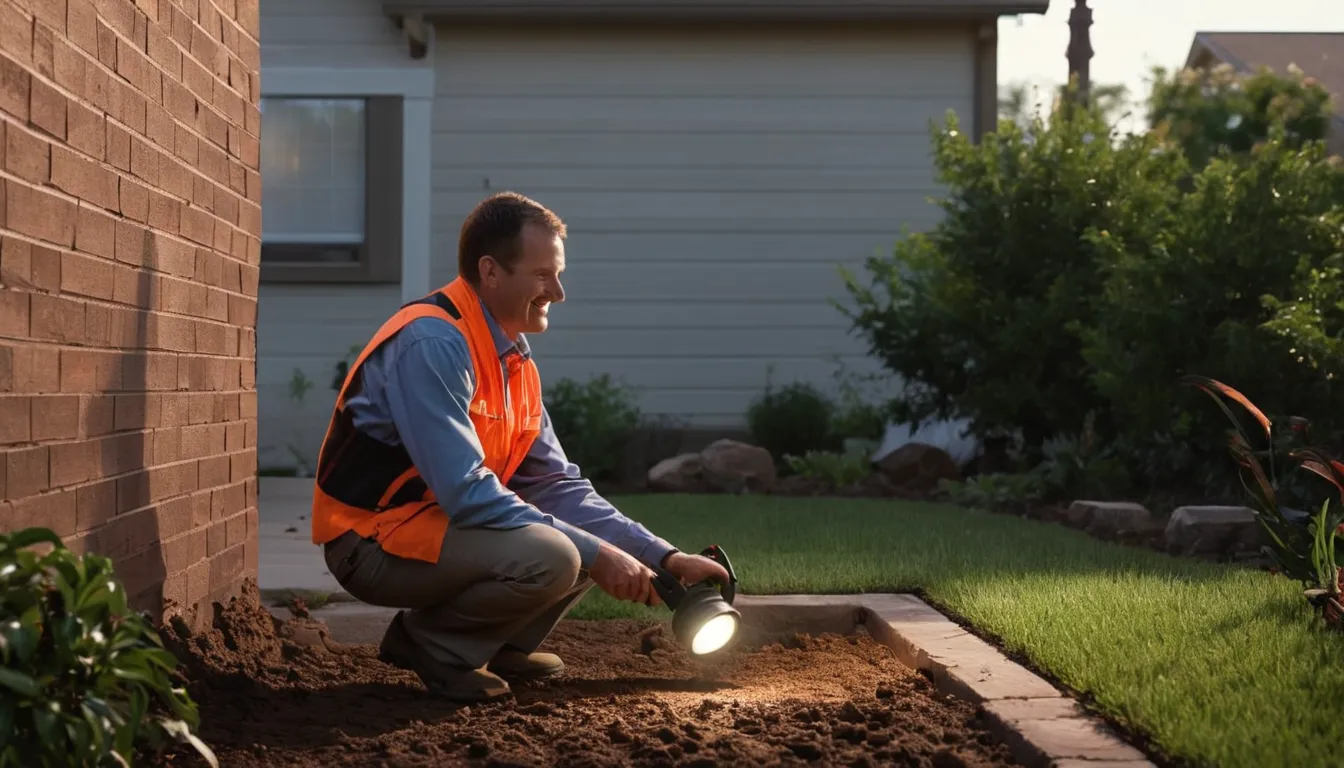
Autumnfirst Pest Control is a referral service. When you report termite signs, we route the request to an independent provider in our network. The provider inspects the home, identifies the species, and explains the treatment options. We do not perform the work.
Termite treatment covers more than killing insects. A proper plan finds the entry points, treats the soil or wood, and fixes the moisture that attracted them. Done right, it limits repairs and protects the condition and resale value of the house. Providers serving the Fletcher area handle crawl-space homes, slab homes, and older houses with years of wear. Request a callback to check provider availability, or send an estimate request.
Seeing Termites? Start Here
Found swarmers on a windowsill? Mud tubes on the foundation? Wood that sounds hollow when you tap it? Treat each one as a possible active infestation until a provider says otherwise.
Termites are small insects that eat wood from the inside. Most of the damage stays out of sight. A proper inspection is the only reliable way to confirm what you have.
First Steps Before the Visit
Keep it simple. These steps help the provider diagnose faster.
- Photograph the insects, wings and any tubes.
- Save a few insects in a sealed jar or bag.
- Leave damaged wood as it is.
- Note the room, the date and what you saw.
Do not spray swarmers with store-bought products. It scatters the colony and wipes out the evidence.
Why Termites Need Prompt Attention
A colony feeds steadily, whether or not you notice. Floor joists, sills and wall studs are the usual targets. The longer feeding continues, the larger and costlier the repair.
Damage Hides Behind Finished Surfaces
Drywall, paint and siding cover the evidence. By the time floors sag or doors stick, the damage may be extensive. Early treatment keeps repairs small. That protects the house and its resale value.
Know the Warning Signs
Hot, humid summers and warm rain often trigger swarms. Check both the outside and inside of the home.
Outside the House
- Pencil-width mud tubes on foundation walls or piers
- Discarded wings near doors and windows
- Soft or blistered wood on decks, fences and trim
- Mulch, soil or firewood piled against siding
Inside the House
- Hollow-sounding baseboards, sills or floor joists
- Bubbling paint or stains with no leak behind them
- Tiny wood-colored pellets beneath a wall or beam
- Doors and windows that suddenly stick
Types of Termites
The species decides the treatment plan. The provider identifies it during the inspection.
Subterranean Termites
These nest in soil and travel through mud tubes to reach wood. They are common in humid regions. Crawl spaces and slab edges give them easy access, because both sit close to damp ground.
Drywood Termites
These live inside the wood and need no soil contact. They leave small pellets near the damage. Treatment may target the affected wood or the whole structure.
How Termite Treatment Works
Inspection and Diagnosis
The provider checks the crawl space, slab edges, attic, siding and any wood touching soil. A probe or moisture meter helps. Then the provider explains what was found and where.
Liquid Barrier or Bait Stations
Liquid treatment creates a treated zone in the soil around and under the house. Bait stations sit around the perimeter. Workers carry slow-acting material back to the colony. Some providers combine both.
Crawl Space and Slab Differences
Crawl-space homes allow direct access to sills and piers. Slab homes may need drilling along the slab edge to reach soil underneath. Brick and vinyl siding can hide entry points, so providers check behind them where they can.
Moisture Fixes
Termites follow moisture. Leaking gutters, poor drainage and damp crawl spaces invite them back. A solid plan addresses those causes too.
Termite Inspections for Home Sales
Many lenders ask for a wood-destroying insect report before closing. An older mill-era house with past damage can stall a sale if the report is unclear.
Selling? Request an inspection early, so any treatment and repairs are finished before buyers ask. Buying? Ask the seller for treatment records and warranty terms.
Choosing a Termite Provider
Autumnfirst Pest Control does not inspect or treat. We route your request to an independent provider in our network. That provider does the work and sets the terms.
Questions to Ask
- Will the inspection be written, with a diagram?
- Which method will be used, and why?
- What do the warranty and renewal cover, and for how long?
- Who repairs damaged wood?
- Is the quote in writing?
After Treatment
Some activity may continue for a short time while termites already in the wood die off. Do not disturb treated soil or tubes until the provider says it is fine.
Protect the Treatment
- Keep soil, mulch and wood piles away from siding.
- Repair leaks and keep gutters clear.
- Keep crawl-space moisture low.
- Schedule yearly inspections.
Keep the Paperwork
Store the treatment report, warranty and renewal dates. A future buyer or lender may ask for them. Fix it properly now, and the file proves it later.
What's Included
Termite Inspection
A provider checks the crawl space, slab edges, siding and attic, then reports what was found.
Species Identification
Subterranean or drywood? The answer sets the method.
Soil or Bait
Liquid soil barriers, bait stations or targeted wood treatment, chosen to fit your foundation.
Written Treatment Report
Keep the findings, method and warranty terms on file for future sales.
Typical Termite Treatment Costs
These are typical U.S. ranges. Real prices vary by home size, foundation, termite type and damage. Always get a written quote before agreeing to any treatment.
| Service | Typical range | Notes |
|---|---|---|
| Termite inspection | $50 – $300 | Some providers apply it toward treatment |
| Liquid soil treatment | $1,200 – $2,500 | Depends on linear feet of foundation |
| Bait station system | $1,500 – $3,500 | Often includes monitoring visits |
| Spot treatment | $250 – $900 | Small, confirmed areas only |
| Whole-structure fumigation | $2,000 – $6,000 | For drywood; home size matters |
| Annual renewal or monitoring | $100 – $400 | Keeps the warranty terms active |
How It Works
Report the signs
Request a callback or send the request form. Describe what you saw and where in the house.
Get routed
We match your request with an independent provider in our network.
Inspection visit
The provider inspects the home, identifies the termites and explains the plan.
Treat and follow up
The provider treats, shares the report, and sets any renewal terms.
Why Call Autumnfirst Pest Control
Routed, not performed
We pass your request to an independent provider. The provider does the inspection and treatment.
Protect the house
Proper treatment limits structural damage and helps protect the home's condition and value.
Local providers
Providers in our network know the soil, humidity and foundation types common in your area.
No obligation
Request an estimate and compare it before you decide anything.
Other Services
Need residential termite treatment in Fletcher?
Describe the problem and where you live. Autumnfirst Pest Control routes your request to an independent local provider who can follow up with a written quote.
No obligationResidential Termite Treatment FAQ
How do I know if I have termites or just ants?
Termites have thick waists, straight antennae and wings of equal length. Flying ants have pinched waists and bent antennae. Photos help, but a provider's inspection is the reliable way to tell the two apart.
Can I treat termites myself with products from a store?
Store products can kill insects you see, but they rarely reach the colony or protect the whole foundation. Poor application can also scatter termites. A licensed provider can inspect and choose the right method.
Does homeowners insurance cover termite damage?
Most policies exclude termite damage as a maintenance issue, though terms vary. Check your policy and ask your agent. Providers can often help document damage and treatment for a claim or a home sale.
Reach a local provider
Describe the problem and where you live. Autumnfirst Pest Control routes your request to an independent local provider who can follow up with a written quote.
No obligation